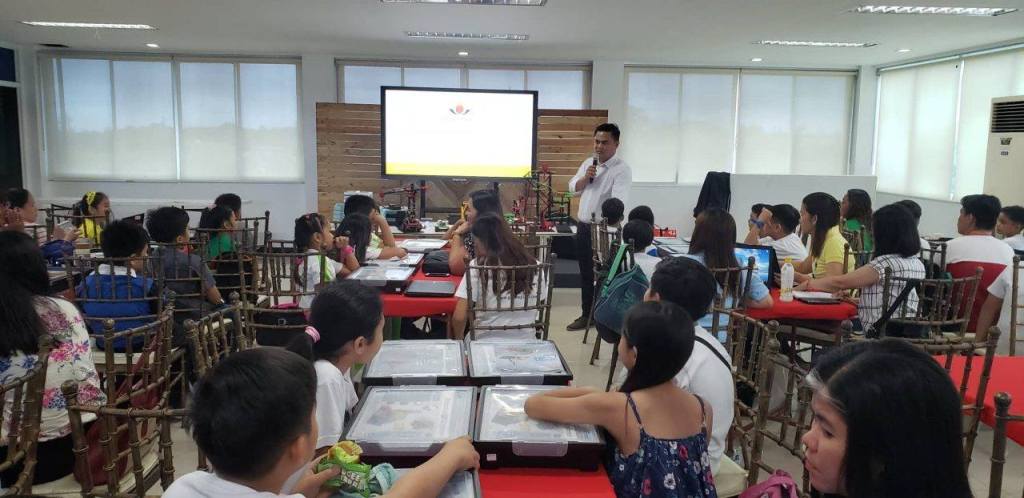

Philippine Education: Before The Appearance of Smart Boards
In the ever-evolving world of edtech, the introduction of smart boards in Philippine education is a recent development.
Recall a time when you were told to go up the front of the classroom and solve a specific problem on the board. With chalk in hand, the screeching sound of it against the board, and an uneasy feeling of the entire class staring at your solution, the experience of using a traditional blackboard may still be fresh on your memory.
If anything, this is a simple reminder that not a long time has passed since classrooms adapted to use advanced educational tools in classrooms.
Although not as popular as it’s predecessors; the blackboard and white board, smart boards are paving the way for advanced education capability with of its interactive features. Are there any benefits from using smart boards, or are they just added expense? What do we miss out on by not using them?
In this comprehensive guide, we’ll delve into what Smart Boards are, how smart boards are changing how we teach and learn, as well as their top 5 benefits to students.
What is a Smart Board?
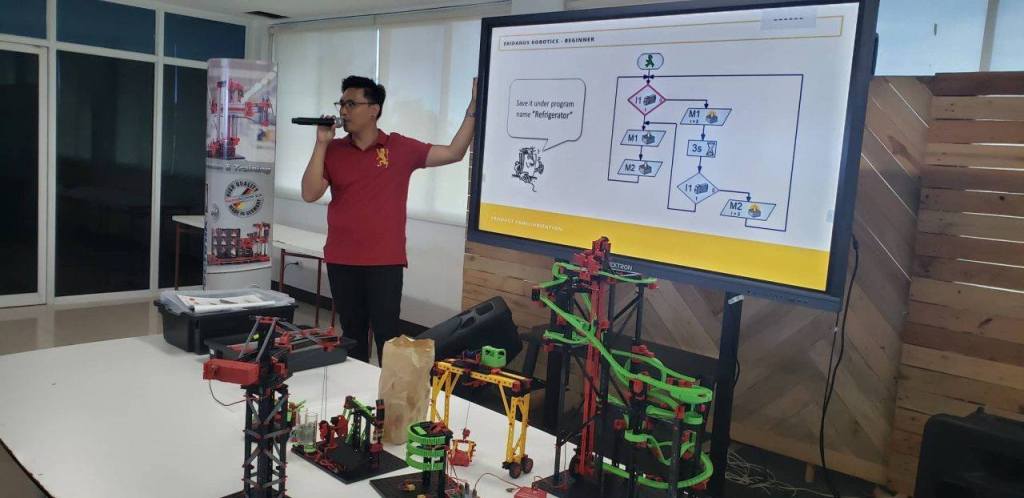
A Smart Board is an interactive whiteboard system that merges the capabilities of a traditional whiteboard with the power of digital technology. Essentially, it’s a large touchscreen display that allows educators and students to interact with digital content in real-time.
The Smart Board, often mounted on a classroom wall or attached to a floor stand, functions as a digital hub, enabling seamless integration of multimedia elements, presentations, and collaborative activities.
Aimed at transforming traditional classrooms into dynamic, interactive learning spaces, Smart Boards have become an integral part of the educational landscape in the Philippines. Let’s look at some of their features.
How Unique Are Smart Boards?

1. Interactive Touchscreen:
Smart Boards boast touch-sensitive surfaces, turning them into interactive canvases where teachers and students can write, draw, and manipulate digital content with their fingers or special pens. This feature facilitates hands-on learning, making lessons more engaging and participatory.
2. Digital Ink Recognition:
Advanced Smart Boards are equipped with digital ink recognition technology, allowing the system to distinguish between different types of input – be it writing, drawing, or tapping. This feature ensures precision and accuracy in capturing the user’s intent, enhancing the overall user experience.
3. Multimedia Integration:
Smart Boards excel in multimedia integration, supporting the seamless display of videos, images, and interactive applications. This multimedia capability enables educators to craft visually stimulating lessons, catering to diverse learning styles and preferences.
4. Collaborative Learning Tools:
Collaboration is at the core of Smart Board technology. With built-in collaborative tools, multiple users can interact with the board simultaneously. This promotes teamwork, discussion, and active participation, fostering a more inclusive and cooperative learning environment.
What Are The Benefits of Smart Boards in Philippine Education?
1. Enhanced Engagement
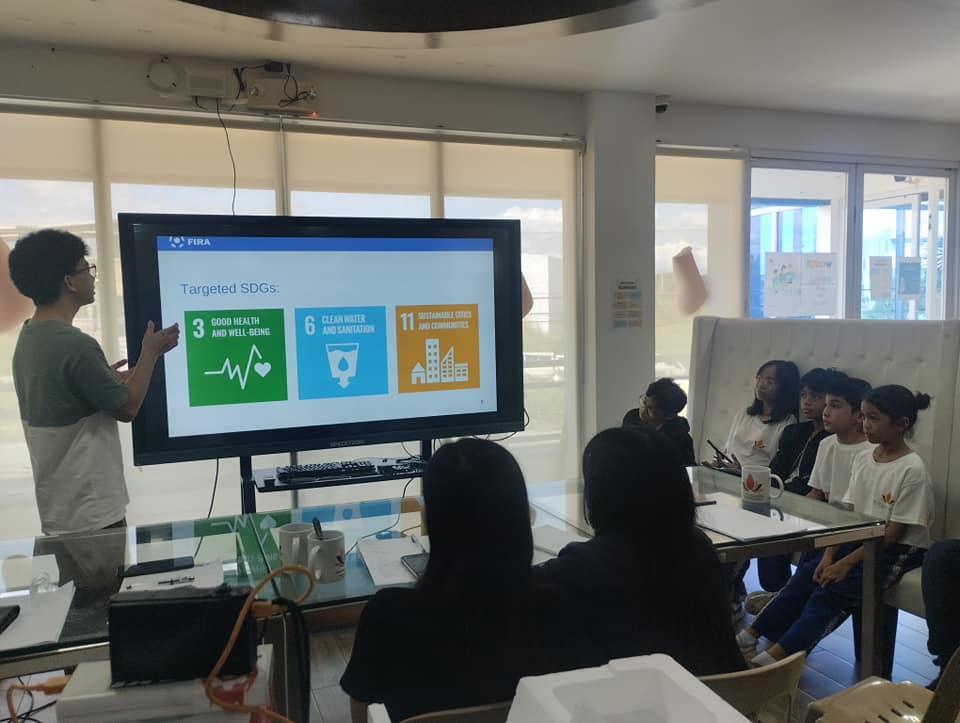
One of the key advantages of Smart Boards is their ability to facilitate interactive learning experiences. On a previous study conducted by Nitza Davidovitch and Roman Yavich (2016), they found that using smart boards in class made lessons clearer. On the same study, they saw that students who understood the lessons better felt more excited to learn more, and thus making them more involved in the learning process.
Essentially, Smart Boards bridge the gap between entertainment and education. They bring lessons to life, captivating students’ attention through interactive content and multimedia elements. This heightened engagement leads to increased information retention and a more positive learning experience.
2. Improved Visual Learning
Visual aids are powerful tools in education, and Smart Boards take visual learning to the next level. On another study conducted by the University of Botswana (2020), the effectiveness of Smart Boards was underscored by their capability to present concepts in diverse ways, leveraging features like videos, images, and simulation tools.

Complex concepts can be explained more effectively through dynamic diagrams, charts, and animations, catering to visual learners in the classroom. This multifaceted approach proves particularly beneficial for visual learners in the classroom, providing them with an immersive experience that brings educational content as close to reality as possible.
3. Adapting to Diverse Learning Styles:
Philippine classrooms boast a diverse mix of students with varying learning styles and preferences. Smart Boards offer a versatile solution, accommodating visual, auditory, and kinesthetic learners.
Whether through visually stimulating presentations, interactive simulations, or audio-enhanced lessons, Smart Boards cater to the multifaceted nature of learning, ensuring that every student has the opportunity to grasp and retain information effectively.
4. Fostering Collaborative Education

Education is not a one-way street, and Smart Boards recognize this by fostering collaborative learning environments. In a Philippine context, where community and interpersonal relationships are highly valued, Smart Boards provide a platform for group activities, discussions, and shared problem-solving.
This collaborative approach not only enhances students’ social skills but also prepares them for a future where teamwork and communication are essential.
5. Future-Proofing Education
The landscape of education is evolving rapidly, driven by technological advancements and global connectivity. Smart Boards play a crucial role in future-proofing education in the Philippines. Introducing Smart Boards into classrooms nurtures a tech-savvy learning culture, preparing students for a digital future.
Familiarity with interactive technology enhances students’ digital literacy, a crucial skill in the contemporary world. Smart Boards prepare them for a future where adaptability and technological proficiency are non-negotiable skills.
What are things to consider before using Smart Boards in the classroom?

Professional Development for Educators
Successful integration of Smart Boards requires educators to be proficient in utilizing the technology. Providing ongoing professional development ensures that teachers can harness the full potential of Smart Boards in their teaching practices.
Infrastructure Readiness:
Before implementing Smart Boards, schools need to ensure that their infrastructure supports the technology. This includes having adequate power sources, compatible devices, and a reliable network for seamless connectivity.
Curriculum Integration
Smart Boards should complement the existing curriculum. Educators need to align lessons with the capabilities of the technology, creating a cohesive and effective learning experience for students.
The Future of Smart Boards in the Philippines
As technology continues to advance, so does the future of Smart Boards in the Philippines. Anticipate further innovations, such as artificial intelligence-driven interactivity, enhanced collaborative features, and integration with virtual and augmented reality. The ongoing evolution of Smart Board technology promises an exciting future for interactive learning in the Philippines.
Conclusion

In summary, Smart Boards are revolutionizing education in the Philippines by providing an interactive and engaging platform for both educators and students.
With features that enhance collaboration, support multimedia integration, and facilitate real-time assessment, Smart Boards have become essential tools in modern classrooms. As the educational landscape in the Philippines continues to embrace digital transformation, Smart Boards stand as beacons of innovation, guiding the way to a more interactive and dynamic learning environment.
Did this teach you more about what Smart Boards are and how they are beneficial to students in this age? Check out other classroom technology solutions revolutionizing Philippine Education today!
References
- Meier, J. (2022). What is a Smart Board and Why Do Educators Love Them? https://www.gflesch.com/blog/what-is-a-smart-board
- Davidovitch, N. & Yavich, R. (2017). The Effect of Smart Boards on the Cognition and Motivation of Students. https://files.eric.ed.gov/fulltext/EJ1135741.pdf
- Tsayang, G. et al., (2020). The impact of interactive Smart boards on students’ learning in secondary schools in Botswana: A students’ perspective. https://files.eric.ed.gov/fulltext/EJ1268872.pdf
- Stealey, K. (2023). What are the advantages of smart boards in the classroom? https://insights.samsung.com/2023/07/11/what-are-the-advantages-of-smart-boards-in-the-classroom/
- Schoolnet India. (2022). Why Smart Boards are beneficial in the classroom. https://www.schoolnetindia.com/blog/why-smart-boards-are-beneficial-in-the-classroom/