The Beginning of Classroom Technology
For over two centuries, classroom technology solutions worldwide, including the Philippines, have found themselves in a time warp – students seated, a blackboard up front, and lectures echoing through the room. This traditional set-up seemed to be the only acceptable method of education for a long time.
Ironically, while technology propelled communication, travel, and science into the future, education remained stuck in the past.
It wasn’t until 1991 when, SMART Technologies led the charge in interactive whiteboard technology by releasing their first product, the SMART Board, signaling a shift in the traditional education system towards a more modern and innovative approach.
Fast forward to today, and the educational landscape in the Philippines is undergoing a remarkable transformation. In this article, we’ll embark on a journey to explore the top five classroom technologies in the Philippines that are reshaping the way students learn and teachers teach. These state-of-the-art solutions are at the forefront of an educational revolution.
1. Smart Boards for Collaborative Learning
Smart Boards have long been a staple as one of the most popular classroom technology in the Philippines. These interactive solutions combine the benefits of traditional whiteboards with cutting-edge technology. Unlike interactive LEDs, Smart Boards work in conjunction with projectors to display content onto their surface. They are particularly well-suited for classrooms where a projector setup is already in place, as they offer an interactive upgrade to existing technology.

2. Interactive LEDs for Engaging Learning
Another piece of tool that have become a game-changer in Philippine classroom technology are Interactive LED displays. Unlike traditional interactive whiteboards that require projectors, these cutting-edge displays are self-contained systems. They have built-in touch-sensitive technology and emit their own light, so there’s no need for an external projector to display content.
This key distinction makes interactive LEDs an even more convenient and efficient choice for educators. With interactive LEDs, teachers can seamlessly integrate multimedia content, making lessons more engaging and interactive. Moreover, students can actively participate in lessons by allowing them to write, draw, and manipulate digital content in real-time, enhancing their comprehension and retention of information.

3. Robotic Kits for STEM Education
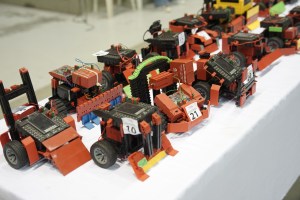
STEM (Science, Technology, Engineering, and Mathematics) education is a priority in the Philippines, and robotic kits are playing a vital role in achieving this goal. These kits provide hands-on learning experiences, teaching students important problem-solving and critical thinking skills.
Robotic kits like those created by Fischertechnik are carefully curated to align with the Philippine education curriculum, making them an ideal choice for schools and institutions. These kits not only make STEM education more accessible but also prepare students for future careers in technology and engineering.

4. Digital Learning Platforms for Blended Learning
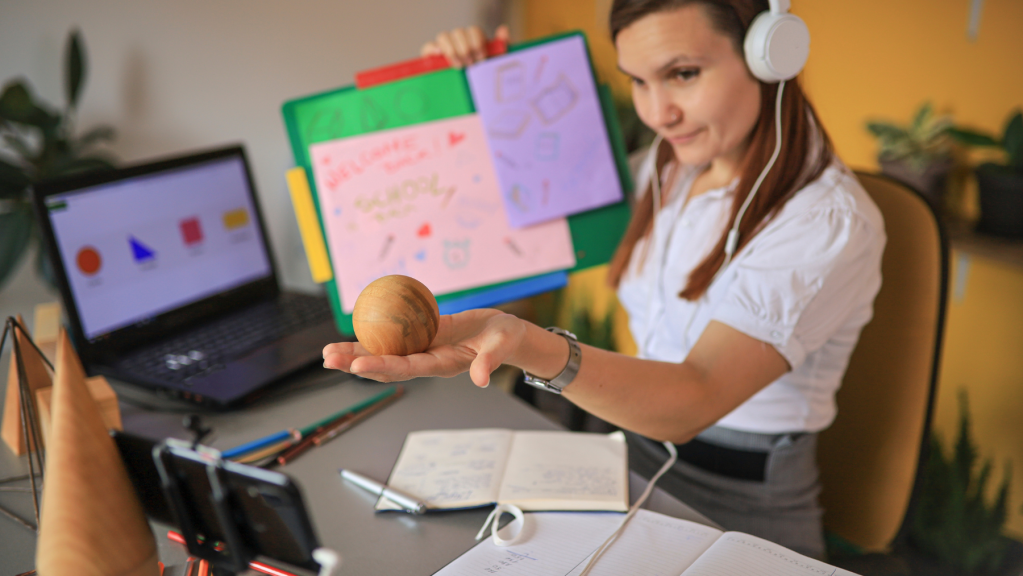
E-Learning has seen significant growth in recent years, especially in light of the COVID-19 pandemic. It encompasses the use of digital resources, online courses, and interactive content to facilitate learning. To address this trend, it’s essential to focus on digital literacy for students and educators. This means that schools must offer training and resources for students to have the necessary skills to navigate online learning platforms, create and consume digital content, and critically assess online information. Tools such as Google Classroom, Canva, and Zoom are only some of the many resources that empower educators and students to engage in e-learning effectively.
As this digital transformation continues to shape education, it’s imperative for schools to foster digital literacy among their community members and bridge the digital divide. By offering training and resources tailored to the needs of students and educators, schools can ensure that everyone has equal access to educational opportunities. This commitment to digital literacy will pave the way for a brighter and more inclusive future in the realm of classroom technology solutions.

5. Empowering Educators with Blended Learning Tools
As technology continues to advance, it’s essential for educators to stay updated with the latest tools and techniques. Blended learning involves a mix of traditional classroom teaching and digital resources. To empower educators, it’s crucial to provide them with tools that seamlessly integrate into this hybrid environment. These tools can include learning management systems (LMS), video conferencing platforms, and content creation software. Educators need training and support to effectively utilize these tools to create engaging lessons, manage student progress, and personalize instruction. Additionally, tools that offer data analytics can help teachers track student performance and tailor their teaching methods accordingly.
In the Philippines, professional development for teachers is a growing trend. Workshops, seminars, and training programs are equipping educators with the skills they need to effectively integrate technology into their teaching methods.
Revolutionized Learning
In the dynamic landscape of education, technology is the catalyst for a brighter future of learning. In the Philippines, educational institutions aren’t just adapting; they’re enthusiastically embracing cutting-edge classroom technology solutions.
So, what’s the big picture? Well, the future of education in the Philippines is not just promising – it’s downright radiant, thanks to the seamless integration of classroom technology solutions. From interactive LEDs to cool robotic kits and digital learning platforms, these trends are making a big change on how students learn and teachers teach.
Curious about how classroom technology solutions in the Philippines can reshape your educational journey? Reach out to us! Let’s explore the endless possibilities together.